Author: Preeco Studio

  • INSIDE FIRST SERIES | What If HR Was Your Real Inside–Out Media Agency?

    INSIDE FIRST SERIES | What If HR Was Your Real Inside–Out Media Agency?

    Most HR teams don’t see themselves as content creators. But they are. Every policy is a message. Every onboarding is a campaign. Every check-in, a feedback loop.

    There’s a difference between HR that supports, and HR that shapes direction.

    It’s easy to think of HR as the team behind processes and policies. But today, they’re also the ones designing branding touchpoints, planning career fairs, leading internal campaigns, hosting workshops — even running entertainment festivals. Not because it looks good, but because connection needs emotion. And emotion needs storytelling.

    Most small and medium-sized businesses treat Human Resource Management as a supportive function—handling admin, onboarding, payroll. But underneath the surface, a quiet shift is taking place.

    In companies where HR is still seen as “back office,” strategy becomes detached from reality. You can have a brilliant business model—but if hiring, training, and team dynamics don’t match, the model is only theoretical.

    The causality isn’t one-way. Business performance doesn’t just shape HR priorities. The inverse is often more true: the clarity of your HR model determines whether business plans ever materialize.

    Key takeaway: Strategy doesn’t live on paper. It lives in how your people understand, remember, and retell it — day by day.

    In fact, it’s common for HR to be seen as a paperwork role. Many HR managers are asked to take care of too many things—admin work, payroll, social insurance, even fixing the printer—leaving little space to think long-term. But when people leave, when teams feel misaligned, when good hires don’t stay, the root cause often traces back to the HR system being invisible.

    But maybe HR was never just a system. Maybe it’s the place where your internal story is written, edited, and distributed — every day.


    What gets overlooked when we separate employer brand from business brand

    Employer branding isn’t about slogans or perks. It’s about alignment—between what the company promises and what people actually experience.

    When employees feel like the external message doesn’t reflect the internal truth, trust erodes. When candidates are sold a vision that isn’t lived on the inside, retention drops. The brand fractures.

    That’s why building a strong employer brand is not just about communication—it’s about operations, consistency, and cultural coherence. It’s about what happens between people, not just what gets posted online.

    In many companies, employer branding starts only when there’s a hiring need. But people talk—on social media, in group chats, over coffee. And when internal experience doesn’t match the job post, no campaign can fix that.

    The question isn’t whether you have an employer brand. You do. The question is: who’s writing it — and what’s the script made of?

    Key takeaway: A strong employer brand is not what you say—it’s what people repeat.


    Recruitment marketing is just the mic. But what are we really saying?

    Too often, we invest in campaign visuals and storytelling before we’ve even agreed on what we stand for. We broadcast our values to talent—but haven’t rehearsed those same values internally.

    Recruitment marketing (RM) works best when it follows a strong Employer Brand (EB). Not the other way around.

    EB is what you live. RM is how you show it. And when the order flips, what gets revealed is noise, not signal.

    If EB is the content, RM is the delivery channel. And like any media strategy — delivery without a message is just empty airtime.

    Key takeaway: Don’t amplify before you align. Internal clarity beats external volume.


    Employee engagement isn’t just how people feel. It’s what they do with those feelings.

    Most HR teams track engagement through surveys—eNPS scores, pulse checks, and feedback forms. But engagement can’t be reduced to data points. It needs context.

    Would this person recommend the company today? If not, what made them hesitate? Would they choose to stay next year? What would change that?

    Beyond survey mechanics, true engagement is revealed in behavior:

    • Do people raise problems before they escalate?
    • Do they refer others without being asked?
    • Do they advocate for the company when no one’s watching?

    Many companies now send out engagement surveys. But sometimes the real signal shows up in the silence—when no one answers, or when answers sound polite but distant. That’s not resistance. It’s a disconnect.

    Engagement is not a KPI. It’s a channel. And when left untuned, that signal fades fast.

    Key takeaway: Engagement isn’t a metric. It’s your most powerful media channel — if you know how to listen.


    Culture isn’t one thing. It’s a system of messages and defaults.

    Most companies have cultural intentions. Very few build cultural systems.

    There’s a difference:

    • A Clan Culture fosters a sense of bonding but can blur accountability.
    • An Adhocracy fuels innovation but risks losing focus.
    • A Market Culture drives outcomes but can burn people out.
    • A Hierarchy Culture stabilizes operations but may suffocate initiative.

    The key isn’t choosing one. It’s recognizing what mix you’re tolerating—and whether that aligns with where the business is trying to go.

    Many SMEs value harmony. However, harmony without feedback leads to avoidance. And over time, culture becomes something that’s felt, but never spoken.

    Culture, then, is a quiet media system — the tone, tempo, and topics that get repeated (or don’t). Every company has one. The best ones curate it.

    Key takeaway: Culture is not what you define. It’s what you allow to be repeated.


    The three invisible levers that shape your internal communication

    1. Leadership modeling: Not what’s said—but what’s seen, repeated, and left unchallenged.
    2. Values in action: Not plaques—but the daily message. Who gets promoted, who gets heard, who gets retained.
    3. People fit: Not sameness—but resonance. People who extend the narrative—not just adapt to it.

    Every internal policy is a message. Every all-hands is a campaign. Every feedback loop is a channel. And HR teams are running the whole system — whether they see it that way or not.

    Key takeaway: If HR doesn’t manage communication, communication will manage itself — and not always in your favor.


    When AI enters the HR space—it doesn’t replace intent, it scales it

    AI in HR isn’t about automation. It’s about intelligent assistance—surfacing what matters and stripping away noise.

    • Recommend the right training, based on real behavior—not just job title.
    • Tailor benefits communication by life stage, not email blast.
    • Answer routine questions so people teams can have real conversations.
    • Spot risk of disengagement before it hits attrition.

    The goal isn’t just faster HR. It’s more human HR at scale.

    Vietnamese companies are starting to experiment with AI in onboarding, training, and employee support. But tech is only helpful when the foundation is clear. AI cannot save a broken people system—it just makes the gaps more visible.

    Key takeaway: AI doesn’t fix people problems. It amplifies them — unless your system is ready.


    In service-heavy industries, emotional loyalty is earned through everyday interactions

    In services, your people are your product. And their sense of value comes from three things:

    • Social environment: Is this a place where I feel respected and supported?
    • Development clarity: Do I see a future here—or just a role?
    • Economic fairness: Am I safe enough financially to care deeply about this work?

    Retention doesn’t come from obligation. It comes from recognition, growth, and fairness—lived, not promised.

    In Vietnam’s hospitality and retail sectors, these small things make a big difference. A shift schedule that feels human. A line manager who remembers your story. A clear path to learn something new. These are not perks—they’re signals of care.

    Key takeaway: Loyalty isn’t built in exit interviews. It’s built in how people are treated on ordinary days.


    INSIGHT IN PRACTICE: What if HR was your inside–out media team?

    Most HR teams don’t see themselves as content creators. But they are.
    Every policy is a message. Every onboarding is a campaign. Every check-in, a feedback loop.

    And when these things work together — not just as processes, but as a communication system — they shape how people talk about the company, inside and out.

    If strategy is what you say you want to do, then HR is how you say it — again and again, until it sticks.

    Key takeaway: HR is not just managing people — it’s producing the internal story that others will carry outside.


  • INSIDE FIRST SERIES | Internal Belonging: Built on Small Things, Acts of Love, and Everyday Care

    INSIDE FIRST SERIES | Internal Belonging: Built on Small Things, Acts of Love, and Everyday Care

    At work, people often talk about strategy, leadership, or performance. But what keeps people here and makes them stay with pride—is something much quieter: the feeling of belonging.

    We’ve learned that internal belonging doesn’t always come from visible campaigns.

    It comes from the little things that compound over time: the way a message is phrased, the way feedback is given, the moment a new hire feels seen. These are not soft skills, they are deep signals of care. And they shape how people show up.

    In Vietnamese workplaces, especially in hybrid or fast-paced digital environments, this sense of belonging can’t be left to chance. Culture is no longer passed through proximity and it needs to be cultivated through intention. This means designing communication, celebrations, rituals, and leadership presence in a way that speaks to both emotion and clarity.

    Internal Belonging isn’t just about making people feel good. It’s a productivity driver.

    When employees feel emotionally safe, they contribute more. When they feel their presence matters, they stay longer. When they feel seen in the details, they are more likely to become advocates.

    1. Belonging Happens in the Everyday

    It’s not always about the big campaigns. It’s the birthday card that got your name right. The department meeting that left space for listening. The slide that translated strategy into something people can act on.

    In many Vietnamese companies, we see the effort to care deeply—but the execution gets lost in overload or routine. Belonging isn’t a project. It’s a system of cues embedded across every interaction. And when designed right, these micro-moments accumulate into a macro-trust.

    2. How Internal Belonging Shows Up (or Doesn’t)

    There’s no single metric to measure belonging, but there are clues everywhere:

    • Whether employees participate in internal events genuinely or out of formality.
    • Whether feedback loops feel safe or performative.
    • Whether leadership shows up with presence, not just position.
    • Whether new employees are welcomed beyond orientation.

    In Vietnam, where respect for hierarchy is strong and harmony is valued, internal belonging can be cultivated by ensuring communication is inclusive, two-way, and human in tone.

    3. What Belonging Needs to Be Built

    • Internal rituals with meaning: From Monday stand-ups to monthly catch-ups, rituals shape how people enter the workweek emotionally.
    • Cultural microcopy: From email footers to screen wallpapers, every word in internal media can either disconnect—or bring people in.
    • Listening loops that close: Surveys, check-ins, anonymous feedback—they only matter if people see how their input shapes change.
    • Manager readiness: Managers are often the first point of connection. Equip them with simple practices that express care consistently.

    In our experience, even companies with limited budgets can build strong belonging by focusing on rhythm, intention, and communication tone. A birthday post written with heart may out-impact a costly annual retreat with no emotional anchor.

    4. What Retentee Has Learned

    From collaborating with HR teams across industries, we’ve observed a quiet truth: Belonging is a leadership choice.

    It doesn’t belong to HR alone. It’s not an output of team building activities. It’s a system that shows up in how an organization treats its people, how it listens, and how it narrates everyday work with respect.

    Especially in Vietnamese workplaces today—diverse in age, mindset, and motivation—the details matter. Gen Z may want openness, Gen X may want stability, but both want to feel they matter.

    The strongest internal cultures are not those with the loudest slogans. They’re the ones where even the quietest employee feels the message is also meant for them.


    Mini-Kit: How to Build Belonging with Intention

    SituationQuick Actions That Build Belonging
    New hire onboardingUse personal welcome notes; assign a buddy with aligned values
    Monthly birthday postsInclude a personal detail; highlight team gratitude
    Leadership email or video updateUse conversational tone; acknowledge real team effort
    Year-end appreciationDon’t just name success—name the people who made it possible
    Casual team rituals (morning coffee)Keep it light, but keep it regular. Rituals shape emotional rhythm

    Belonging doesn’t require big budgets. It requires small things, done with care, again and again.

    Part of the insightLOOP // Insider First Series– reflections from the platforms and practices of Internal Communication Production from Preeco Studio

  • INSIDE FIRST SERIES | Internal Communication Across Generations: Bridging with Understanding, Not Labels

    INSIDE FIRST SERIES | Internal Communication Across Generations: Bridging with Understanding, Not Labels

    In a workplace shaped by hybrid shifts, cross-border teams, and evolving expectations, internal communication isn’t about managing generations separately. It’s about creating seamless, everyday connections that feel natural, inclusive, and alive.

    When we stop labeling and start understanding, communication becomes a bridge—not a barrier.

    Strategic Insight Setup

    Every generation—from Gen X to Millennials to Gen Z—walks into the workplace with different expectations, shaped by the era they grew up in.

    But in 2024 and beyond, it’s no longer enough to treat “generational differences” as a fixed problem. Instead, internal communication must evolve into a dynamic, living system that flexes to meet people where they are—without stereotyping.

    New global studies (Employee Experience Trends 2024, Qualtrics XM) reveal:

    • Employees today seek a balance between technological efficiency and authentic human connection.
    • Career growth, inclusion, and psychological safety are now more important than surface-level engagement scores.
    • Hybrid work has changed expectations forever: communication must be intentional, human-centered, and multi-format.

    In Vietnam, these trends are amplified. Companies often have only 1-2 dominant generations in play—typically a Gen X leadership layer guiding a Millennial and early Gen Z workforce. This creates unique rhythms of communication that demand careful listening and design.


    Understanding the Generations (In Context)

    GenerationWorkplace MindsetCommunication PreferenceVietnam Insight
    Gen XValue autonomy, proven experienceDirect, no-frills, respectful of hierarchyOften in leadership roles, seek acknowledgment of expertise
    Millennials (Gen Y)Balance purpose and career; crave developmentTwo-way dialogue, feedback-richBackbone of tech, finance, creative sectors
    Gen ZDemand transparency, speed, authenticityVisual, mobile-first, informal tonesRising in startups, media, new tech sectors

    “Employees don’t want to be managed by generation. They want to be communicated with—as individuals inside a shared purpose.” — Retentee

    Internal Communication Practices for a Multi-Gen Workplace

    1. Meet Diverse Listening Styles:
      • Combine Townhall sessions (satisfy Gen X’s structure) with open Q&A and anonymous polls (for Millennials and Gen Z).
      • Offer key messages in both written (email, workplace platforms) and visual formats (videos, infographics).
    2. Personalize, But Don’t Stereotype:
      • Segment communication based on behaviors, not birth years.
      • Respect different career stage mindsets: early-career, mid-career, legacy contributors.
    3. Enable Micro-Interactions:
      • Encourage middle managers to facilitate daily “micro-moments” of recognition, feedback, and coaching.
      • Celebrate small wins visibly—emphasizing progress over position.
    4. Use Hybrid Tools with Empathy:
      • Virtual meetings shouldn’t be transactional; they should design in check-ins, culture rituals, and feedback loops.
      • Use mobile-first platforms for Gen Z, but maintain stable channels (like newsletters) for Gen X comfort.
    5. Foster Inclusive Narratives:
      • Ensure that internal stories feature diverse generations collaborating, not isolated.
      • Showcase leadership vulnerability and learning across all levels.

    A New Mindset for Internal Communication

    At Retentee, we see internal communication not as a “one-size-fits-all” task—but as an evolving practice that reflects how real people work, connect, and grow together.

    When treated with care, internal communication becomes more than transmission—it becomes translation.

    It translates culture into moments. It translates purpose into shared meaning. It translates generational diversity into collective strength.

    Because seamless communication isn’t about removing differences—it’s about weaving them into belonging.

    Mini-Kit: How to Enhance Internal Communication Across Generations

    ToolHow It Helps
    Bi-Modal Communication PlanDesign content in both visual and text-heavy formats for different consumption styles
    Reverse Mentorship ProgramAllow Gen Z to mentor leaders on emerging tech and culture shifts
    Feedback RitualsRegular pulse checks post-events or campaigns to capture real-time sentiments
    Culture Stories ArchiveCreate a repository of “everyday heroes” stories from across generations
    Hybrid Communication CalendarIntegrate in-person and virtual engagement touchpoints monthly

    Insights We’ve Gained at Retentee

    When internal communication meets people—not labels—it becomes the quiet architecture of advocacy.

    Inside experiences shape outside perceptions. And when all generations feel heard, seen, and valued, they don’t just stay—they advocate.

    Part of the insightLOOP // Insider First Series– reflections from the platforms and practices of Internal Communication Production from Preeco Studio

  • INSIDE FIRST SERIES | Internal Training and Workshops: Building Alignment, Not Just Skills

    INSIDE FIRST SERIES | Internal Training and Workshops: Building Alignment, Not Just Skills

    In fast-changing workplaces, knowledge updates aren’t enough. Training programs have the potential to do more than transfer skills — they can align people to the organization’s DNA and turn learning moments into culture-building experiences.

    Strategic Insight Setup

    Internal training has long been seen primarily as a way to deliver necessary knowledge and skills.
    But today’s leading organizations recognize a deeper potential: every workshop, seminar, or learning session is also a cultural touchpoint.
    When intentionally designed, internal training strengthens alignment, deepens engagement, and nurtures authentic advocacy across the organization.

    A New Mindset for Internal Learning

    At Retentee, we see internal training and workshops not just as functional needs but as living proof of an organization’s internal brand.

    When treated with intention, these moments become the seeds of advocacy, alignment, and future leadership.

    Internal learning is not just about skill acquisition.
    It’s about shaping experience and ultimately, shaping how people choose to advocate for the brand they are part of.

    Because the more deeply people experience the culture from within, the more naturally they carry it outward.

    Pain Point / Opportunity

    The missed opportunity isn’t in what we teach, it’s in how we position learning. When training feels disconnected from broader organizational culture or values, it risks becoming just another compliance activity. But when training is strategically designed, it becomes an internal “alignment accelerator”: reinforcing who we are, why it matters, and how each employee contributes.

    Actionable Strategic Tips

    1. Connect Training Themes to Strategic Goals:
      Make explicit links between learning objectives and larger business or cultural goals. Help participants see the bigger picture.
    2. Frame Training as Advocacy Enablers:
      Design programs to empower employees not just to do their jobs, but to champion the organization’s vision in their work and conversations.
    3. Embed Cultural Rituals into Training Moments:
      Use opening remarks, activities, and case studies that subtly reinforce cultural values. Make learning a lived experience.
    4. Train Managers as Cultural Multipliers:
      Equip team leads to reinforce key messages post-training, transforming one-time sessions into ongoing practices.
    5. Measure Engagement, Not Just Attendance:
      Track post-training behaviors, application of skills, and cultural resonance not just headcount numbers.

    Mini-Toolkit

    PurposeMini-Action
    Reinforce Strategic AlignmentStart each session with a “Why This Matters” slide connecting to mission/vision
    Build Cultural ResonanceShare real internal stories that demonstrate values in action
    Empower ManagersProvide a post-training discussion guide for team leads
    Sustain AdvocacyCreate follow-up activities that encourage employees to share learnings
    Measure Real ImpactSend pulse surveys 30 days post-training to gauge behavioral change

    Insights We’ve Gained at Retentee

    Internal training isn’t just about skills anymore. It’s about shaping shared identity, reinforcing culture, and building a network of internal advocates who live the brand from the inside out. When training becomes a strategic internal lever, every learning moment becomes a building block for sustainable engagement and advocacy.

    Part of the insightLOOP // Insider First Series– reflections from the platforms and practices of Internal Communication Production from Preeco Studio

  • INSIDE FIRST SERIES | Internal Events Aren’t for Applause; They Translate and Align Strategy into Culture.

    INSIDE FIRST SERIES | Internal Events Aren’t for Applause; They Translate and Align Strategy into Culture.

    From townhalls to onboarding weeks, internal events are often misunderstood as logistics. But in reality, they are culture-shaping mechanisms — moments where strategy becomes real, felt, and shared.

    In creative production, events are often measured by scale, visuals, and audience reactions. But internal events operate on a different metric: clarity, alignment, and connection.

    External vs. Internal: Two Different Games

    Most event productions are built to impress — to wow an audience, create a splash, or launch a product. They aim for reach.

    Internal events, in contrast, aim for resonance. They don’t exist to generate visibility. They exist to build shared meaning among people who already belong — and who often already know the gaps between what’s said and what’s done.

    What matters is not scale. What matters is whether the experience feels aligned with what people live every day.

    The Truth About Internal Audiences

    Unlike a public audience, internal teams come with history. They’ve seen leadership in action. They’ve lived the org chart. And they don’t just need information — they need cohesion.

    That’s why every internal event is also a translation challenge:

    • How do we turn strategy into something people understand?
    • How do we reflect leadership in a way that builds trust?
    • How do we activate culture without feeling forced?

    An event may be one hour long, but its impact often outlives the timeline — for better or worse.

    Why Hybrid Is the New Default

    In large organizations, especially in Vietnam, hybrid has become more than a format — it’s operational logic.

    • Teams are distributed
    • Offices are regional
    • Digital tools are embedded in daily culture
    • Budgets need to scale without waste

    Hybrid events allow HR teams to reach across time zones, functions, and job levels — while still delivering a unified experience.

    But hybrid also introduces new complexity: the experience must feel equal for both in-room and remote audiences. It requires more than technical setup. It needs intentional production.

    Retentee’s Role in the Shift

    At Retentee — a platform within Preeco Studio — the focus isn’t on “eventizing” internal moments. It’s on producing alignment.

    That means:

    • Designing run sheets that reflect internal pace, not external glamor
    • Creating content that travels post-event (not just livestreamed once)
    • Supporting HR teams in telling stories from the inside, not performing from the outside

    Retentee isn’t here to take over. It exists to add clarity, structure, and media that respect the flow of internal life.

    Final Thought

    An internal event doesn’t need a big stage to matter. It needs intention. It needs understanding. And it needs a partner that sees it not as a task — but as a chance to align what’s said, what’s done, and what’s felt.

    Part of the insightLOOP // Insider First Series– reflections from the platforms and practices of Internal Communication Production from Preeco Studio

  • INSIDE FIRST SERIES | What Internal Events Reveal About Culture

    INSIDE FIRST SERIES | What Internal Events Reveal About Culture

    It’s easy to overlook internal events. They’re often labeled “soft” — too small to matter, too seasonal to shape anything meaningful. But inside any organization, internal events carry something far more strategic: they show what a company truly values.

    Internal Moments Are Culture in Motion

    From Christmas gatherings to year-end parties, Women’s Day surprises to monthly birthday shoutouts — every internal moment sends a message.

    Not just about celebration. But about rhythm. About what the company makes time for. About what it’s willing to show up for.

    Internal events reflect:

    • What stories we spotlight (and which we don’t)
    • Who gets recognized — and how
    • How leadership chooses to be present
    • What language is used, repeated, and remembered

    And perhaps more importantly: how consistent that experience feels across functions, offices, and levels.

    Events as a Mirror, Not a Stage

    When people say “our culture feels disconnected,” it often surfaces not in townhalls — but in the small internal events that go unnoticed or under-produced.

    Because it’s not about the format. It’s about intention:

    • Did we organize an event just because it’s on the calendar?
    • Or did we pause to think: who’s this for, and what will it mean to them?

    Internal events aren’t about entertainment. They’re about connection. And connection happens when the message, the moment, and the people all align.

    Every Internal Event is a Signal

    In Vietnamese companies today, internal events often follow the same predictable formats:

    • A Year-End Party with awards, stage shows, lucky draws
    • A Women’s Day lunch with flowers and thank-you speeches
    • A mid-year birthday celebration with cakes and photos

    There’s nothing wrong with tradition. But every tradition carries opportunity:

    • To express culture with more clarity
    • To show care in ways that feel more inclusive
    • To design moments that reflect today’s team — not just yesterday’s playbook

    Internal Events That Work Feel Personal, Not Just Planned

    Some of the most meaningful moments are the smallest:

    • A team lead giving a quiet thank-you before a break
    • A quote from a staff member being printed and shared at year-end
    • A livestream that includes remote staff in a real, two-way way

    What makes these moments work is not the budget or the tech. It’s the intention behind them.

    How to Make Everyday Internal Events Matter?

    Here’s a simple guide to help HR teams plan better, even for the smallest gathering:

    • Start with the “why”: What is this event really trying to say? What do we want people to feel?
    • Make it human, not perfect: Skip the script. Highlight real people, real stories.
    • Connect across locations: Even a short video message can connect regions.
    • Capture and reuse: A single photo or quote can turn into content that travels.
    • Follow up: Ask what resonated — and use that to shape the next event.

    Internal events don’t need to be flashy. But they do need to be thoughtful.

    Because every event — even a simple birthday lunch — is a moment to show: “We see you. You matter. You’re part of this story.”

    Coming up next in insightLOOP: We’ll take a closer look at internal event production — and why it requires a different lens: not to perform, but to align.

    Part of the insightLOOP // Insider First Series– reflections from the platforms and practices of Internal Communication Production from Preeco Studio.

  • intheLOOP | How Schindler Vietnam told a Brand Story That Worked From the Inside Out

    intheLOOP | How Schindler Vietnam told a Brand Story That Worked From the Inside Out

    What We Learned From Our Clients

    Schindler Vietnam – A Testimonial That Speaks Beyond Words

    When we reviewed “We Elevate Vietnam – Employee Testimonials” video from Schindler Vietnam, it became clear that this was more than an internal video. It was a strategic communication piece that captured the spirit of Schindler’s culture through authentic employee voices.

    The message was not scripted, it was experienced. It demonstrated how internal storytelling can serve as a bridge between brand identity and organizational culture.

    1. Purpose Framed the Narrative

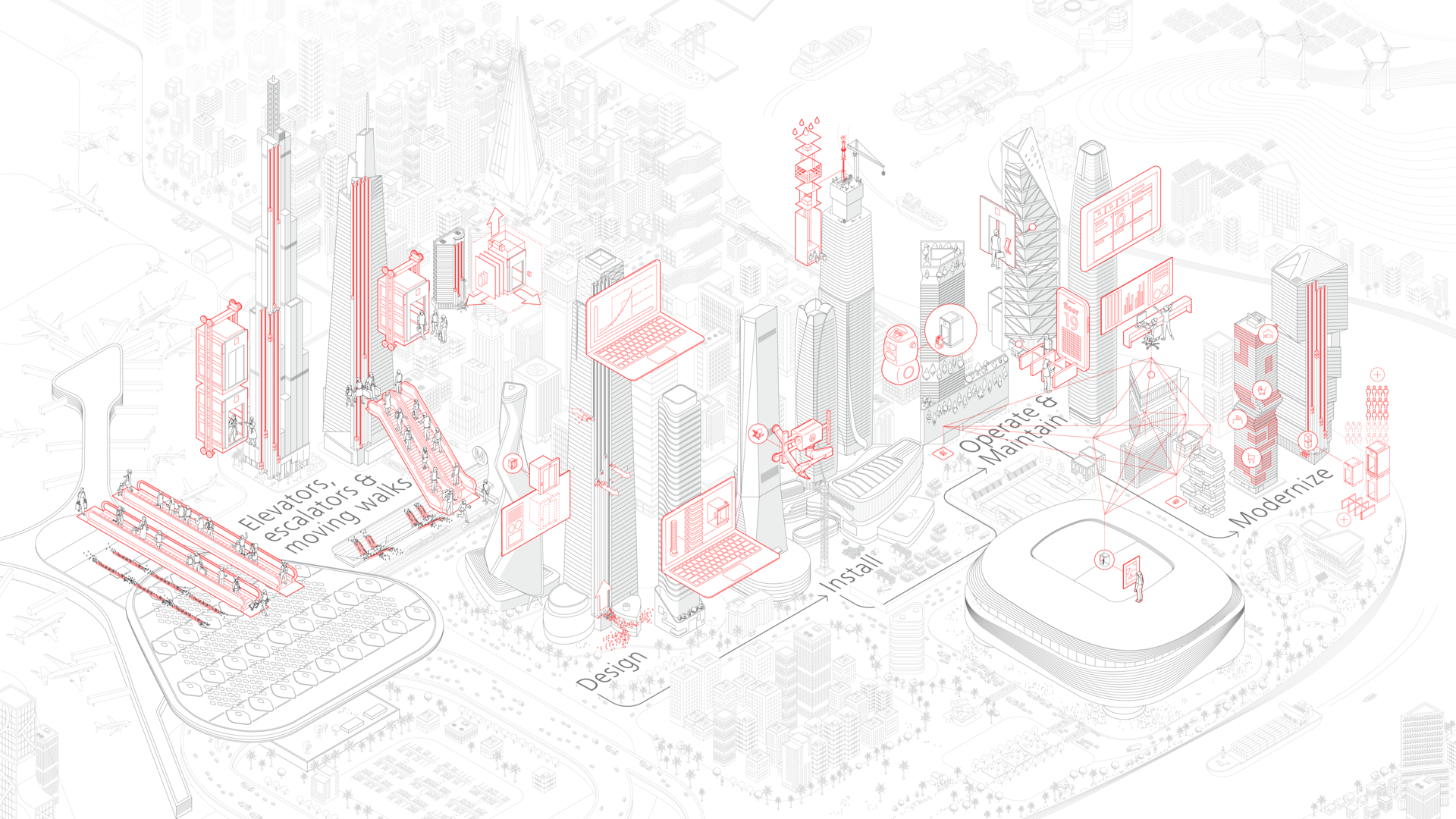
    The video opens not with product features, but with Schindler’s role in shaping the urban environment. Elevators and escalators are positioned as enablers of connectivity—between people, spaces, and communities.

    This focus on purpose immediately positions the brand as an integrated part of city life.

    2. Testimonies Delivered with Clarity and Credibility

    Each speaker, from technician to HR leader, conveyed their perspective with conviction. Their stories were personal yet aligned with corporate values.

    A standout narrative featured an employee who relocated to Ho Chi Minh City—an example of how the organization supports career growth while respecting individual circumstances.

    3. Culture Communicated Through Real Experience

    Culture isn’t what’s written-t’s what’s practiced. The video shows how Schindler fosters inclusion, teamwork, and wellbeing through real moments.

    Employees collaborate across cultures and departments

    Diversity is visible in team composition and communication

    Health and safety are embedded in how people talk about trust at work

    These are not programs-they’re habits. That’s what makes them credible. Rather than relying on corporate slogans, the video allowed lived experience to speak for itself. From collaborative teamwork to continuous training, the behaviors on display reflected a culture of respect, innovation, and inclusion.

    This transparency builds credibility and fosters trust—internally and externally.

    4. Everyday Work as Brand Expression

    What resonated most were not polished statements, but accounts of real contributions-how a maintenance call improved a customer’s day, or how project teams work together to elevate infrastructure in growing cities.

    Such moments highlight the brand’s value through employee action, not marketing claims.

    The narrative concludes by looking forward. Rather than celebrating the past, it emphasizes readiness, innovation, and continued development. Leadership is positioned as open and supportive-essential in preparing for an evolving market.

    It’s an ending that reinforces resilience and adaptability.

    This project is a strong example of how organizations can leverage authentic voice and cross-functional leadership to reinforce culture and brand from the inside out. At Preeco Studio, we see it as a clear demonstration of how internal values can be communicated through compelling, employee-centered storytelling.

    Effective internal storytelling requires more than good production-it demands alignment between purpose, people, and communication.

    ““Employees talk about future goals with confidence, not confusion. And leadership is portrayed not as heroic, but as present, supportive, and open.”

    Some stories don’t need a script. They just need trust.This was more than a message. It was a moment of alignment.

  • intheLOOP | How Timo told a Brand Story That Worked From the Inside Out

    intheLOOP | How Timo told a Brand Story That Worked From the Inside Out

    What We Learned From Our Clients

    This reflection is part of LOOP – a series of insightLOOP from Preeco Studio. Each piece is built from real work, real experience, and the lessons we choose to keep.

    Timo – A Decade of Bold Pioneering, Told With Intention

    When we watched the video “Timo – A 10-Year Journey of Boldly Pioneering the Difference,” we didn’t just see a corporate tribute. We saw a living case study of internal storytelling done right: multi-layered, emotionally grounded, and deeply aligned with both people and purpose.

    This wasn’t a film about a product or service. It was a story about people. About choices made in uncertainty. About momentum shaped over time. And in that story, a portrait of the brand emerged-clear, grounded, and profoundly human.


    This wasn’t just a brand video, it was a combination of internal communication and employer branding, Brand team at Timo and powered by deep insight into employee experience.

    The alignment between brand voice and internal culture wasn’t theoretical, it was operational. What we saw was a team that knew how to make internal comms feel like storytelling, not scripting. And a message that landed across leadership, new hires, and alumni alike.

    The Timo video reminded us what great internal storytelling can feel like. It’s not about production value. It’s about emotional trut and how structure can guide, not dictate, the story.

    No stats. No timeline. Just a quiet, confident tone:

    “Timo has spent 10 years moving forward with courage and conviction.”

    That set the emotional space for everything that followed.

    2. Real people told the story.

    There was no script or spokesperson. Just employees, team leads, longtime staff reflecting on what those 10 years meant to them.

    That made it personal. And powerful.

    We didn’t hear about values. We saw them. In the way people talked about “trying things fast,” or being different from traditional banks not as slogans, but lived experience.

    There were no taglines. But by the end, we knew what made Timo different: trust, courage, and space to grow.

    That’s positioning—done in a relatable way.

    “A new decade awaits. And there’s still so much to come.”

    There was no push. No promise. Just a pause.

    That kind of ending doesn’t sell. It stays.


    What this project reminded us:

    “A strong brand doesn’t need to claim difference. It just needs to show the journey its people have truly lived.”

    Thank you, Timo, for telling your 10-year story with sincerity, integrity, and the quiet clarity of purpose.

    It showed us that the best internal stories don’t follow a format. They follow feeling and that’s a framework worth remembering.

  • INSIDE FIRST SERIES | Built for HR Teams Who Do More Than HR

    INSIDE FIRST SERIES | Built for HR Teams Who Do More Than HR

    Today, HR is expected to do more than deliver outcomes. They are tasked with building culture, creating clarity, and fostering connection across increasingly complex organizations.

    But few teams are equipped to deliver it all, especially when internal content is fragmented, under-resourced, or left out of the strategic picture.

    That’s why we aim to build an industry-specific solution which seamlessly integrates as an extension of HR teams, delivering creative, media, and content-driven strategies..

    A content execution partner for HR teams who already know what they want to say but need a better way to say it, show it, and scale it.


    The purpose behind Retentee

    In today’s organizations, HR teams are navigating a complex mandate:

    • Recruit talent
    • Retain talent
    • Align people to culture and business goals
    • Communicate across hybrid workplaces

    The challenge isn’t knowing what matters, it’s turning strategy into daily communication that works.

    That’s where most HR teams hit a wall:

    • Internal campaigns lack consistency
    • EVP messaging doesn’t translate across formats
    • Onboarding content is outdated, disconnected, or hard to scale
    • Team leads and HRBPs lack tools to reinforce culture on the ground

    Coming up next in insightLOOP: We’ll take a closer look at internal event production — and why it requires a different lens: not to perform, but to align.

    Part of the insightLOOP // Insider First Series– reflections from the platforms and practices of Internal Communication Production from Preeco Studio

  • insight from being | A Step-by-Step Content Funnel Guide for HR Media Production Teams

    insight from being | A Step-by-Step Content Funnel Guide for HR Media Production Teams

    A practical guide with clear tips, use cases, and media format examples—tailored for teams producing video content in Human Resources contexts such as recruitment, onboarding, internal communication, and employer branding.

    This is a practical guide designed for daily use by HR-focused media production teams. Whether you’re planning a livestream for a company townhall, creating a recruitment campaign, or building a video series for onboarding, this guide helps ensure every piece of content aligns with the viewer’s mindset and business objectives.


    Why TOFU – MOFU – BOFU Matters in HR Media

    HR content is unique. It isn’t just about selling a product—it’s about building trust, representing culture, and guiding people through a journey.

    However, some HR videos don’t deliver full impact because:

    • Lack a clear strategic goal
    • Don’t match audience readiness (first touch vs. decision point)
    • Miss actionable CTAs ( Call-To-Action)

    Understanding TOFU–MOFU–BOFU allows your production team to:

    • Choose the right format for the right funnel stage
    • Suggest better structures to clients or internal stakeholders
    • Create video content that actually drives action—whether it’s applying, attending, or engaging

    Funnel Stages for HR Video Content

    Funnel StageHR ObjectiveViewer BehaviorIdeal Formats
    TOFUAwareness – make the brand visibleDoesn’t know the company or role yetTeasers, trailers, hype livestreams, employer branding clips
    MOFUTrust – clarify values & environmentKnows the brand, curious about cultureInterview videos, day-in-life, leadership townhalls
    BOFUAction – drive decisionsReady to apply, join, or referTestimonials, how-to apply, live Q&A, recruitment CTA videos

    5 Key Questions with HR Context & Examples

    1. What is the communication goal? (Awareness – Trust – Action)

    Funnel StageHR ScenarioExample Video Types
    TOFUAttract potential candidatesBrand teaser, culture sizzle reel
    MOFUShow what it’s like to work thereOffice tour, team interviews, mini-docs
    BOFUPush candidates to apply or show upJob walkthrough, onboarding checklist, video with direct CTA

    2. Where is the audience in the candidate or employee journey?

    • TOFU: Never heard of the brand → Focus on curiosity, values, energy
    • MOFU: Evaluating fit → Offer stories, perspectives, clarity
    • BOFU: Ready to act → Remove barriers, make it easy to convert
    Viewer StageContent FocusFormat Example
    TOFUInspire & attractHero video, event launch livestream
    MOFUClarify and connectTeam stories, HR explainers
    BOFUSimplify decision-makingDirect application video, real testimonials

    3. Is the content driven by emotion or logic?

    • TOFU: Emotion-led → Get them interested
    • MOFU: Logic-led → Get them informed
    • BOFU: Blend → Get them to act
    TypeUse in HRExample
    EmotionalBrand positioning“Why we do what we do” CEO/Founder video
    InformativeClarity & conversion“How to apply” tutorial, onboarding explainers

    4. What action should happen after watching?

    Always add a next step—even if soft (share) or hard (apply)

    CTA TypeExample
    SoftSend video to a friend, comment, tag someone
    HardApply now, register now

    5. What can you suggest back to the client or HR lead?

    • Is the current brief clear about funnel stage?
    • Does the format match the goal? Too long or too vague?
    • Is there a CTA? Is it obvious and actionable?
    Common GapsHow to Fix
    Goal too genericClarify if it’s TOFU / MOFU / BOFU
    Format mismatchRecommend cutdowns or alternative formats
    No CTAAdd step-by-step follow-up or interactive layer
  • insight from being | Video Production Canvas: A Better Way to Plan, Brief, and Build Content That Lasts

    insight from being | Video Production Canvas: A Better Way to Plan, Brief, and Build Content That Lasts

    Producing video content takes time, effort, and focus—so why should all that energy go into just one asset?

    In fast-moving content environments, it no longer makes sense to treat video production as a one-off project. Every shoot should be a chance to build a content system, not just a single file.

    The Video Production Canvas is a strategic framework to help any creative, marketing, or communications team plan video projects in a way that delivers long-term value and flexibility across platforms.

    The Challenge with Traditional Video Planning

    Most production processes look like this:

    1. Plan and shoot a flagship video.
    2. Edit it once for a single campaign or platform.
    3. Move on to the next project.

    While this might check a box, it often leads to missed opportunities:

    • Supporting teams lack footage for other formats.
    • Social media adaptations feel like afterthoughts.
    • Valuable moments are lost because they weren’t captured intentionally.

    Introducing the Video Production Canvas

    This framework breaks down production into three layers:

    LayerPurposeFormatsDistribution
    HeroTell the core brand or campaign storyLaunch video, manifesto, hero pieceHomepage, YouTube, main campaign assets
    HubAdd depth, explore behind-the-scenes, extend contextInterviews, day-in-the-life, mini-storiesLinkedIn, blog, email, internal comms
    HelpOffer utility, accessibility, and adaptabilityHow-to, tips, highlights, reels, Q&AInstagram, TikTok, short-form platforms

    Why This Canvas Works

    Using this approach encourages teams to:

    • Think strategically from the start
    • Design shoot days to serve multiple purposes
    • Capture more reusable content per session
    • Build content libraries that scale across functions and channels

    It also helps unify goals across departments—so brand, communications, and digital teams aren’t working in silos.

    How to Apply the Canvas to Your Next Video Project

    1. Start with the “Hero” Layer

    Define the main story. What message should stand above all others?

    Keep this version tight and timeless—something you’d be proud to feature on your homepage, in a pitch deck, or as the anchor to a broader campaign.


    2. Plan for the “Hub” Layer

    Zoom out from the main story. What supporting ideas, people, or processes deserve their own spotlight?

    Capture:

    • Interview footage with multiple voices
    • Moments of culture, collaboration, or behind-the-scenes action
    • Day-in-the-life sequences or project deep dives

    These elements add human context and emotional nuance to the bigger narrative.


    3. Don’t Forget the “Help” Layer

    The most overlooked layer is also the most powerful for long-term engagement.

    Think:

    • Quick tips, mini-explainers, or myth-busting clips
    • Highlight reels or quote cards
    • Short vertical videos for TikTok, Reels, YouTube Shorts

    These pieces extend the life of your shoot and meet your audience where they are.


    Tips for Better Production Planning

    • Write your shot list in three layers: Hero, Hub, Help
    • Leave room for spontaneity: Some of the best content isn’t scripted
    • Shoot extra B-roll: Think transitions, details, environments
    • Capture audio that can stand alone: Good quotes make great posts
    • Design with editability in mind: Multiple formats = more flexibility

    Final Thought: Plan Like It’s a Platform, Not a Post

    The Video Production Canvas isn’t just about efficiency. It’s a mindset shift.

    Instead of treating video as a single event, it becomes a living system—feeding campaigns, conversations, and content ecosystems over time.

    That way, every shoot becomes more than just a deliverable. It becomes a loop of insight, storytelling, and creative reuse.